Kudayathoor
Beauty to behold….
Wrapped in mist and veiled by clouds, tucked away in a corner of the Idukki district, bordering Kottayam district, lies Kudayathoor, a tiny village wreathed by mountains. One of the smallest villages in Kerala, it is a peaceful place with a few vehicles occasionally buzzing by.
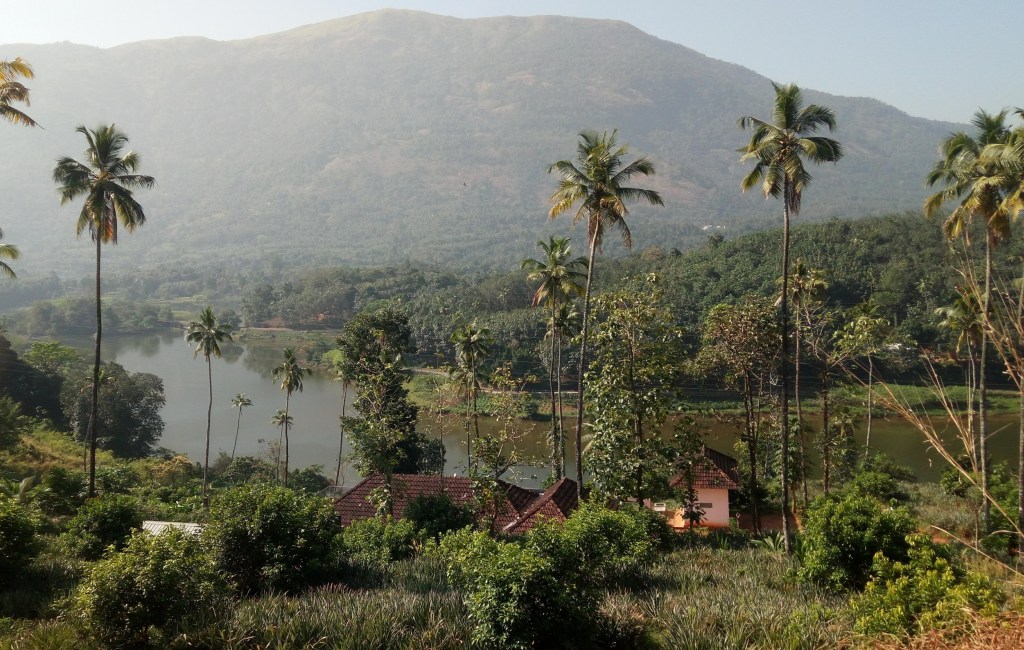
At the first sight, it is a beautiful calm village with children happily running and playing around care free.
Though it is located along a highway, it remains a hidden getaway only known to a few enthusiastic travelers. But once you take the turn from it to the village, it casts a spell on you with its charm. The mist-draped mountains, the calm river, the peacefulness of the village are all a sight to behold.
I have known this place since my childhood and it has never failed to enchant me every time I visit. Though I have been to many other places, Kudayathoor always holds a special place in my heart. These are sweet memories to cherish.
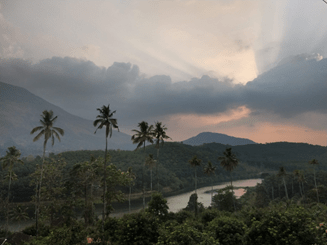
One of the best sights is from the Kudayathoor bridge, a spot to view beautiful sunrises and sunsets . Standing there, looking around, you will find yourself surrounded by mountains 360°, enclosed in a ring of peaks!
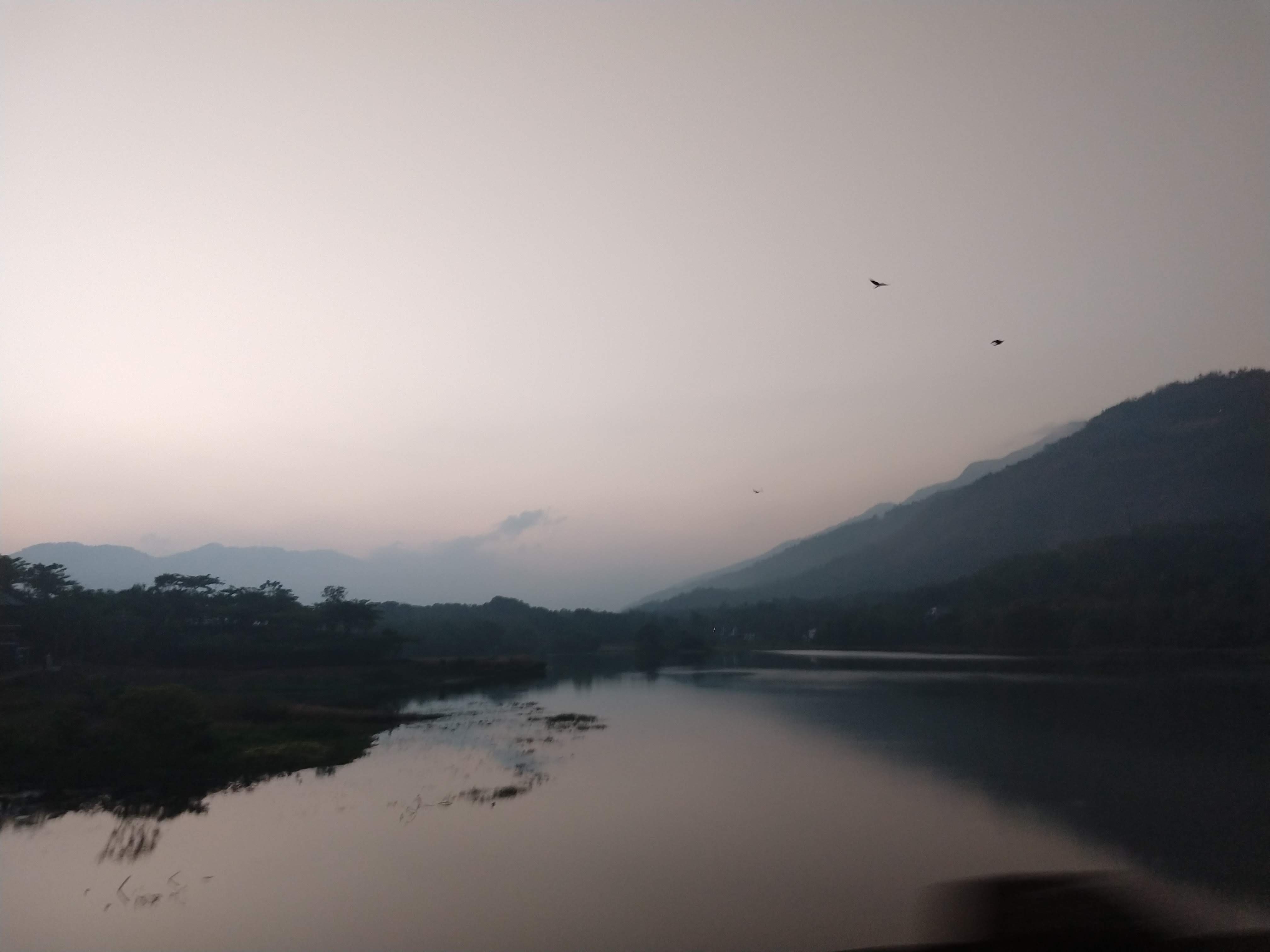
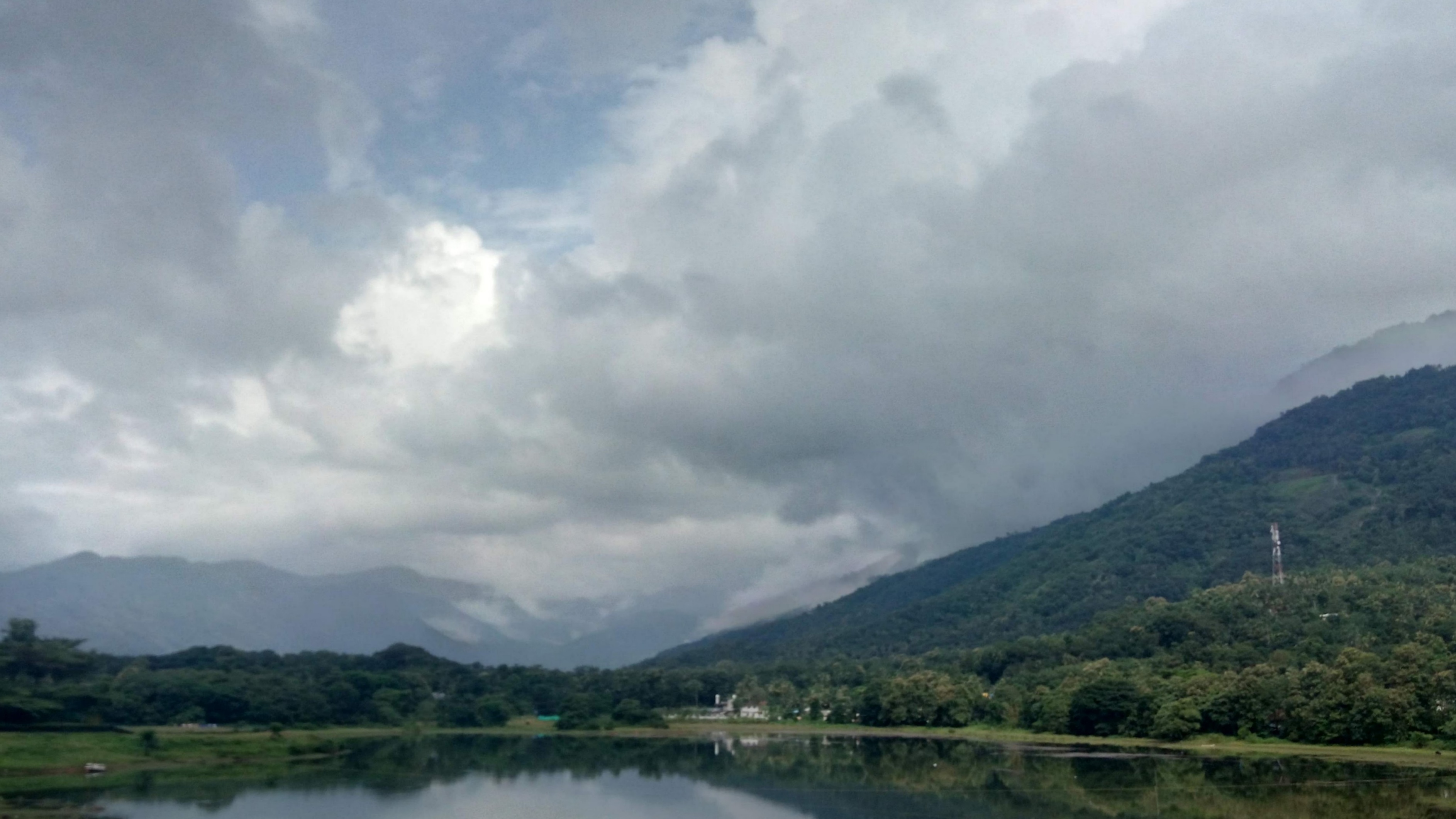
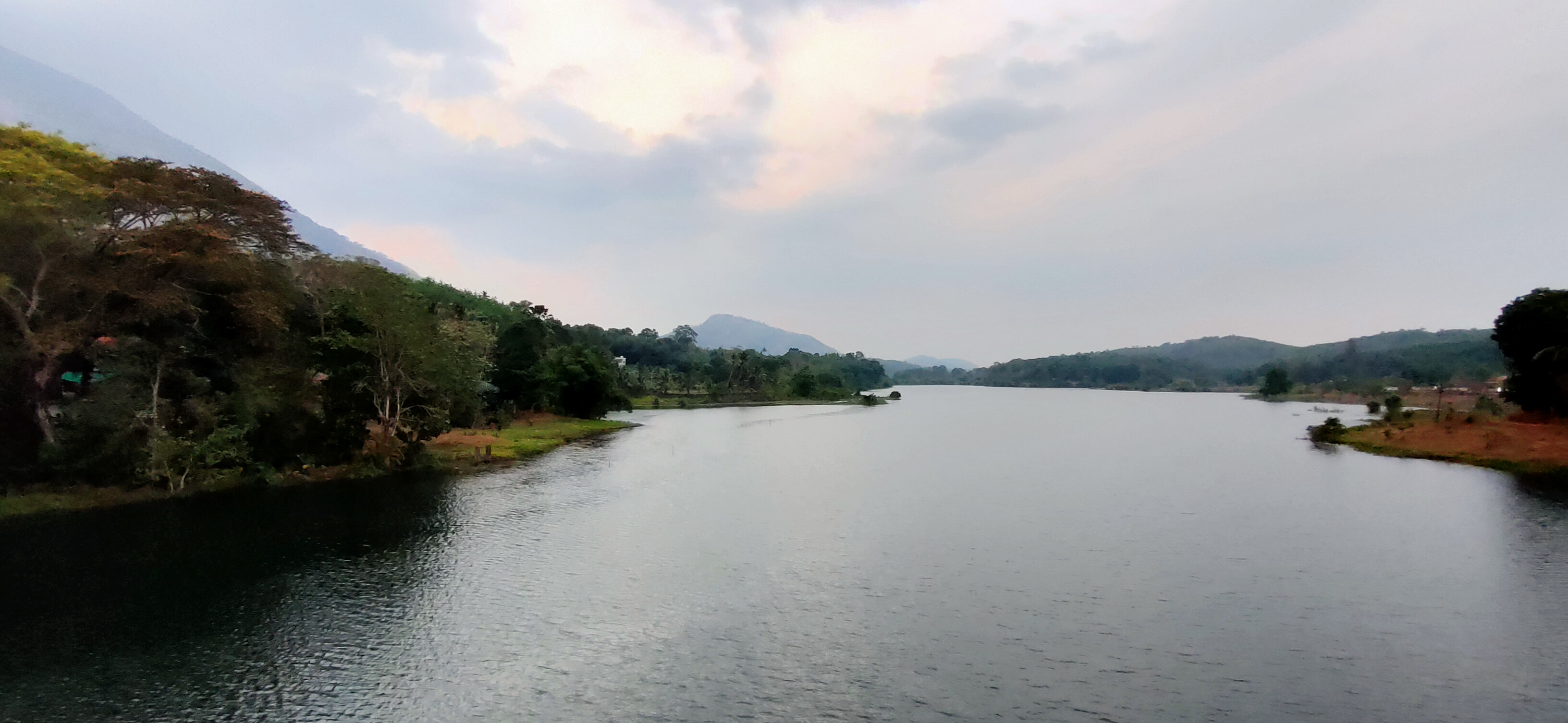
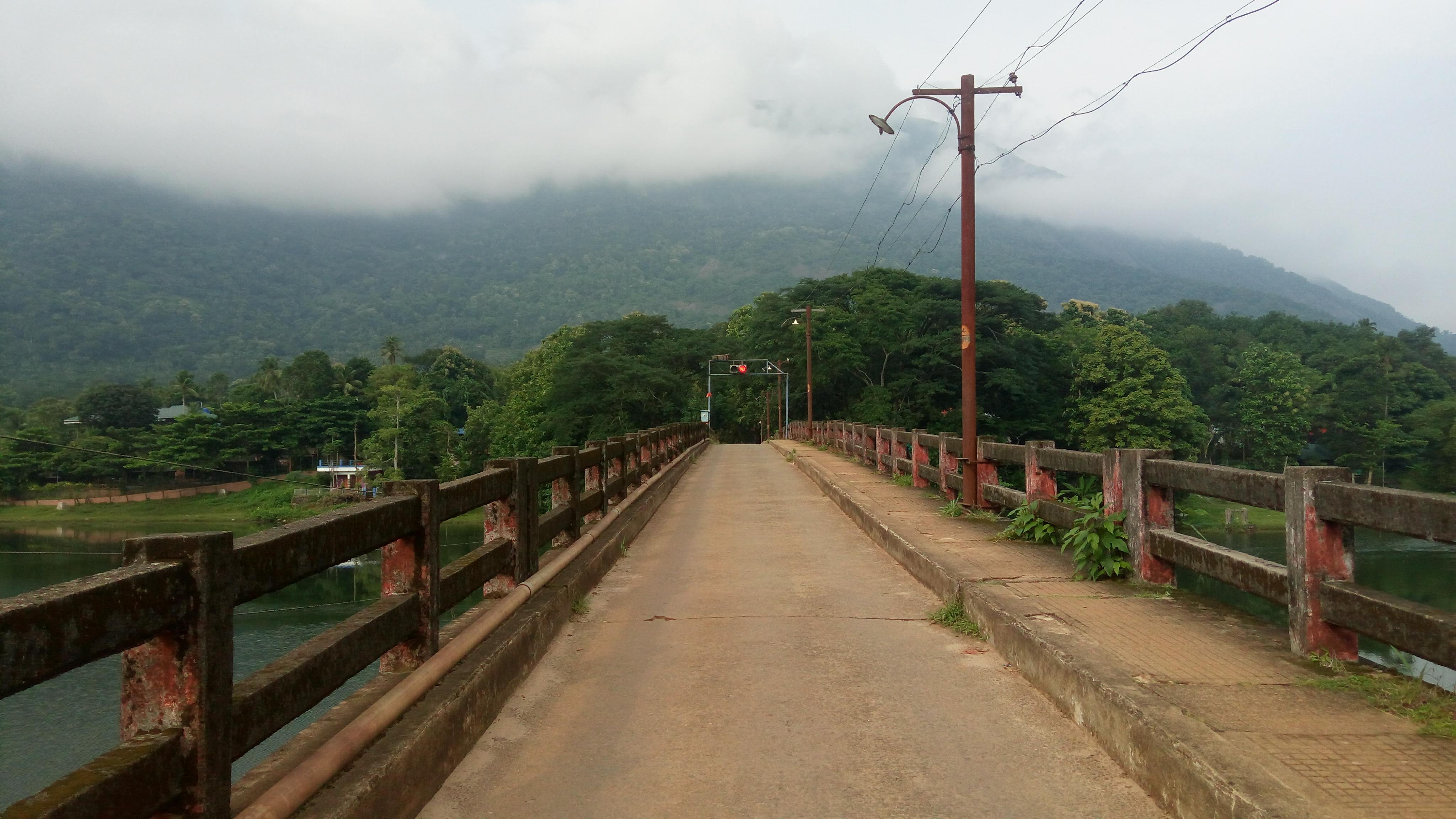
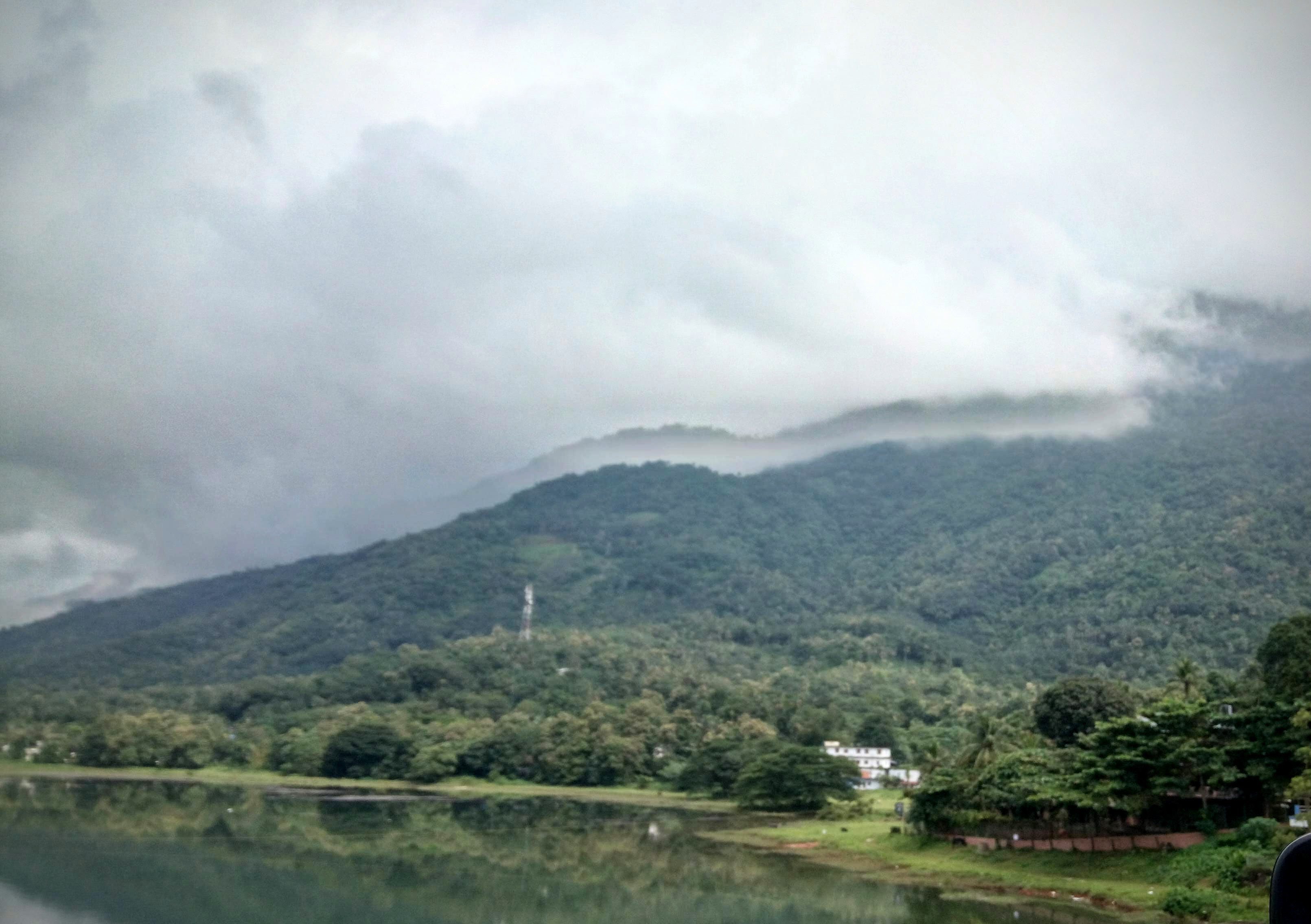
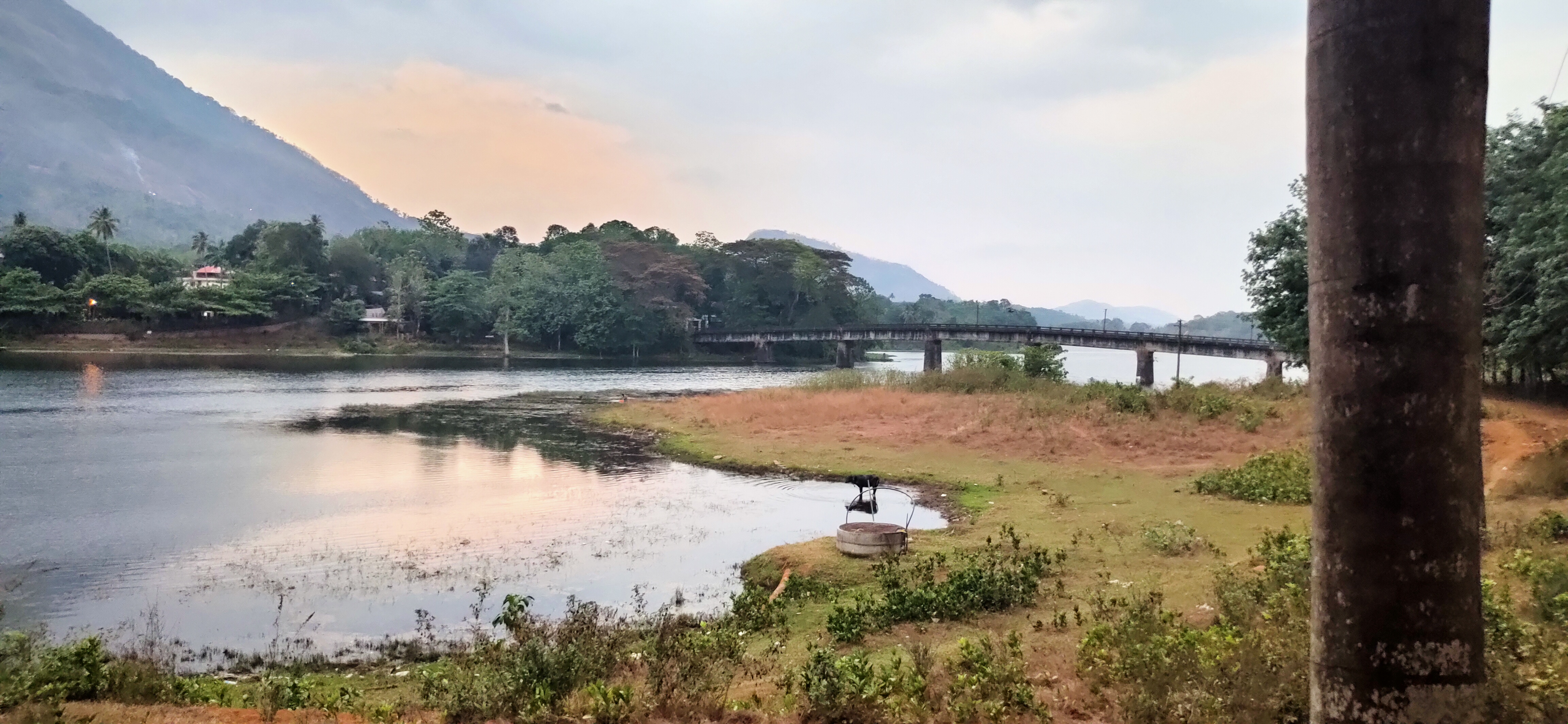
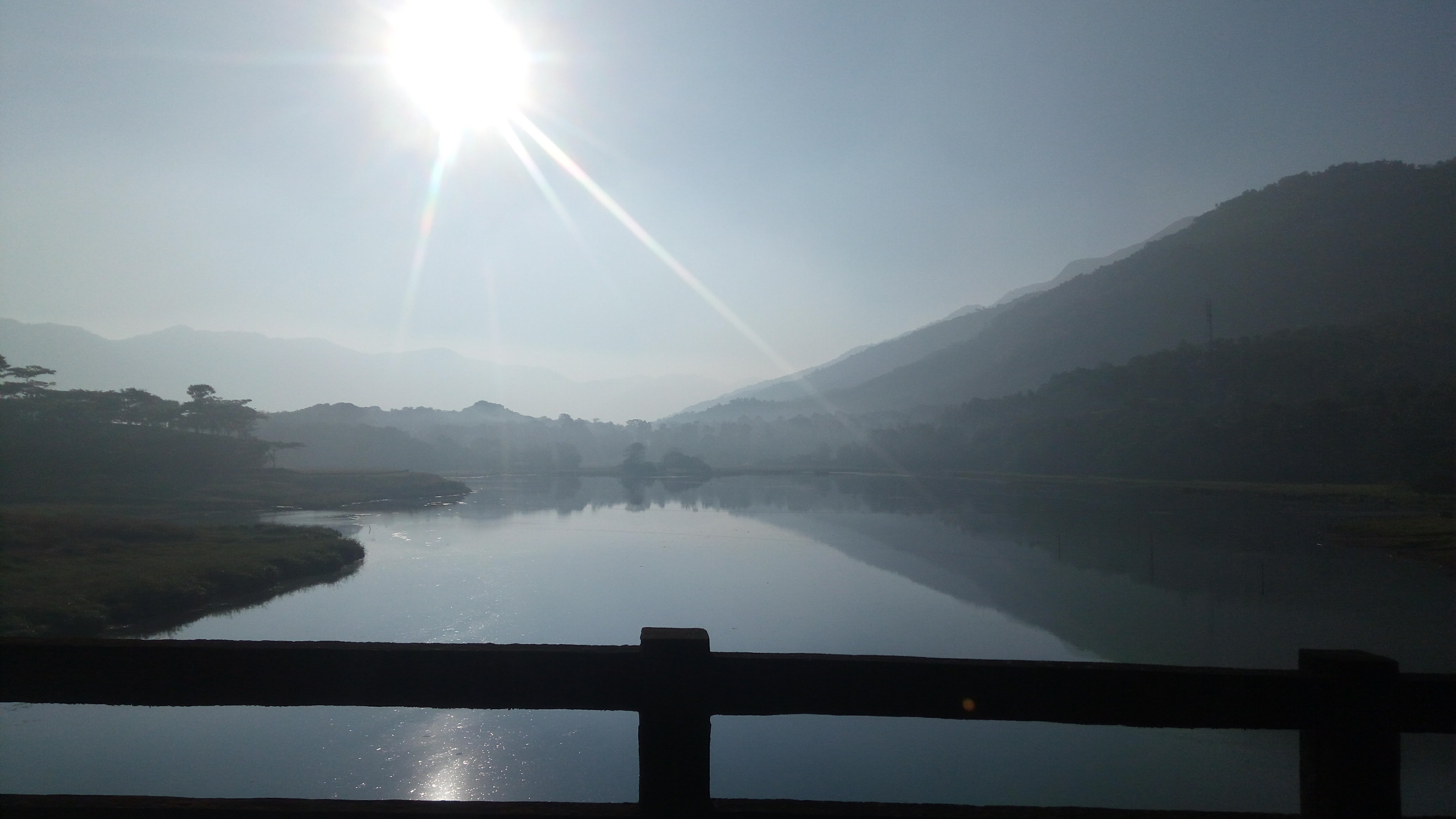
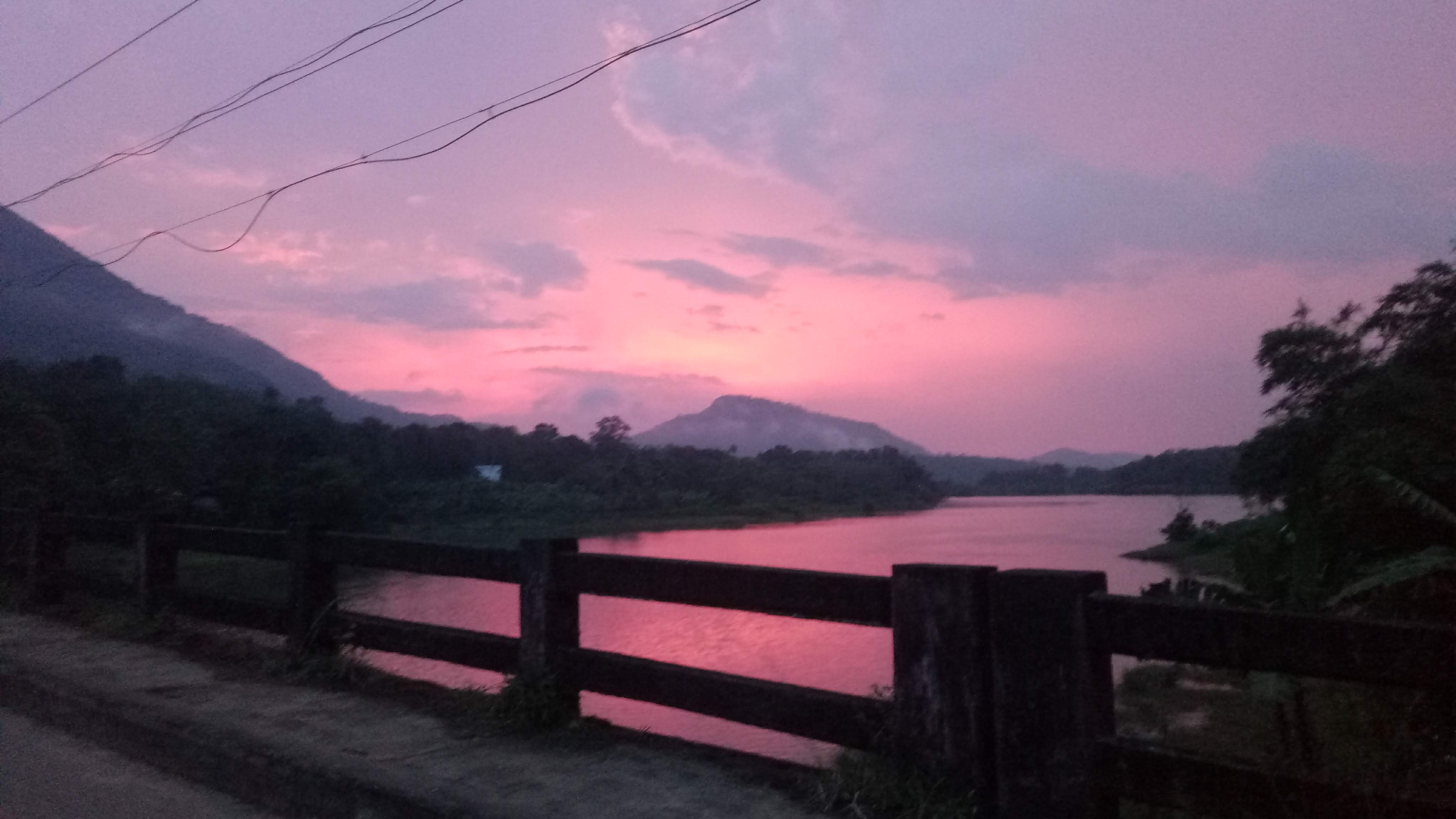
Views from the bridge.
Some of the peaks in Kudayathoor are Muthiyamala, Kudayathoor Vindhyan, Mankunnu, Thonippara hills, etc.
Atop the Kudayathoor Vindhyan, you get a bird’s-eye view of parts of Idukki, Kottayam, Ernakulam, Alappuzha, Pathanamthitta and Thrissur districts. Literally a breathtaking view!
A trek up the Muthiyamala will give this sublime view!
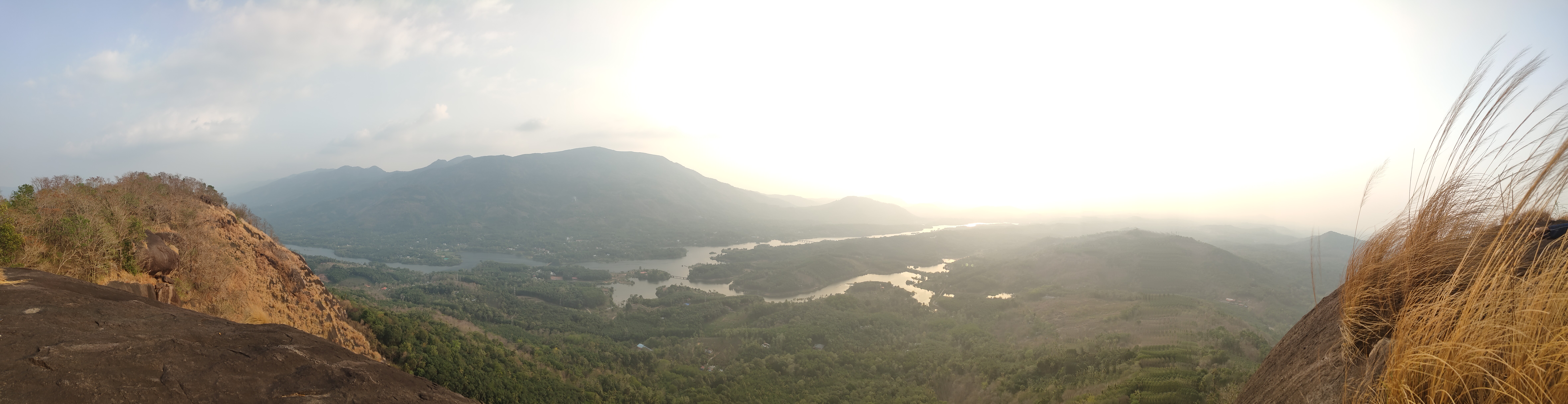
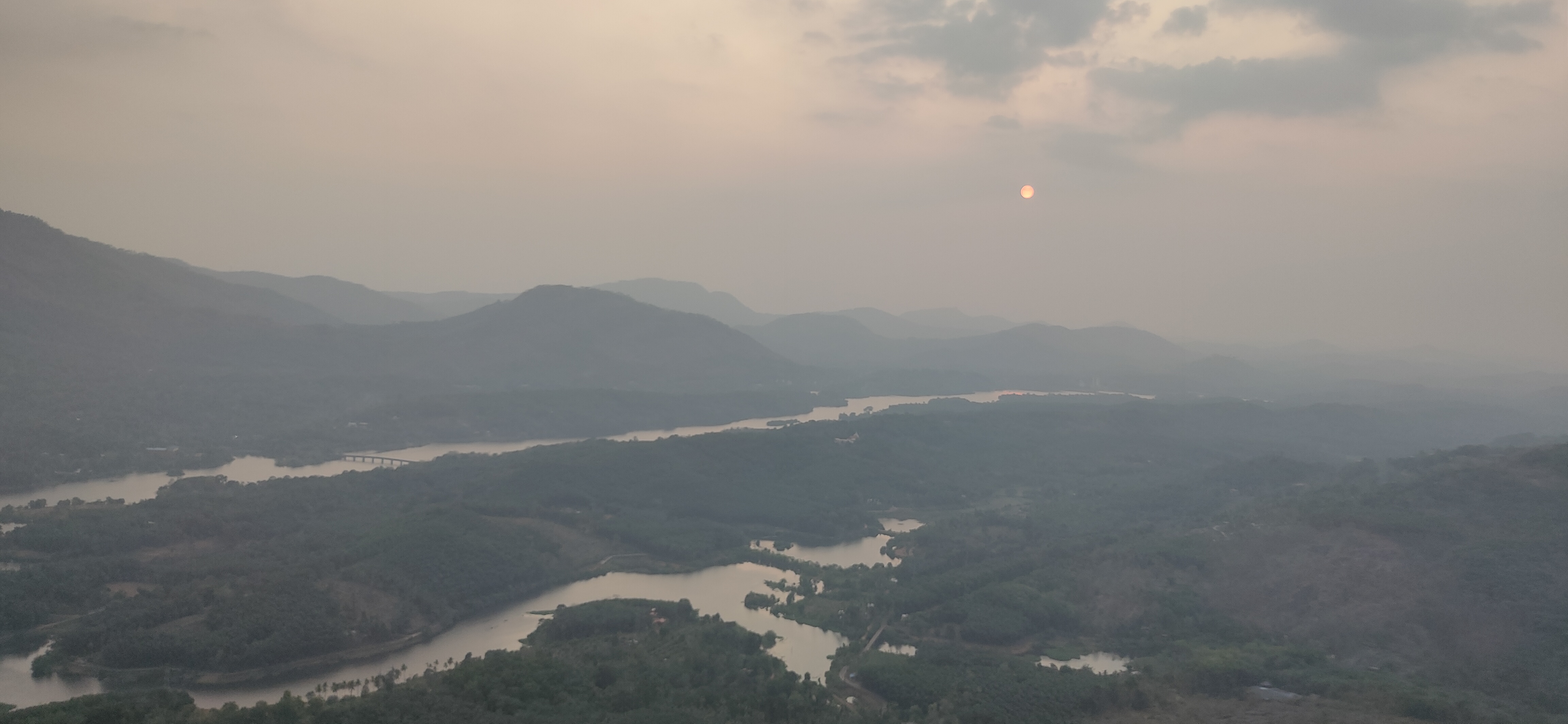
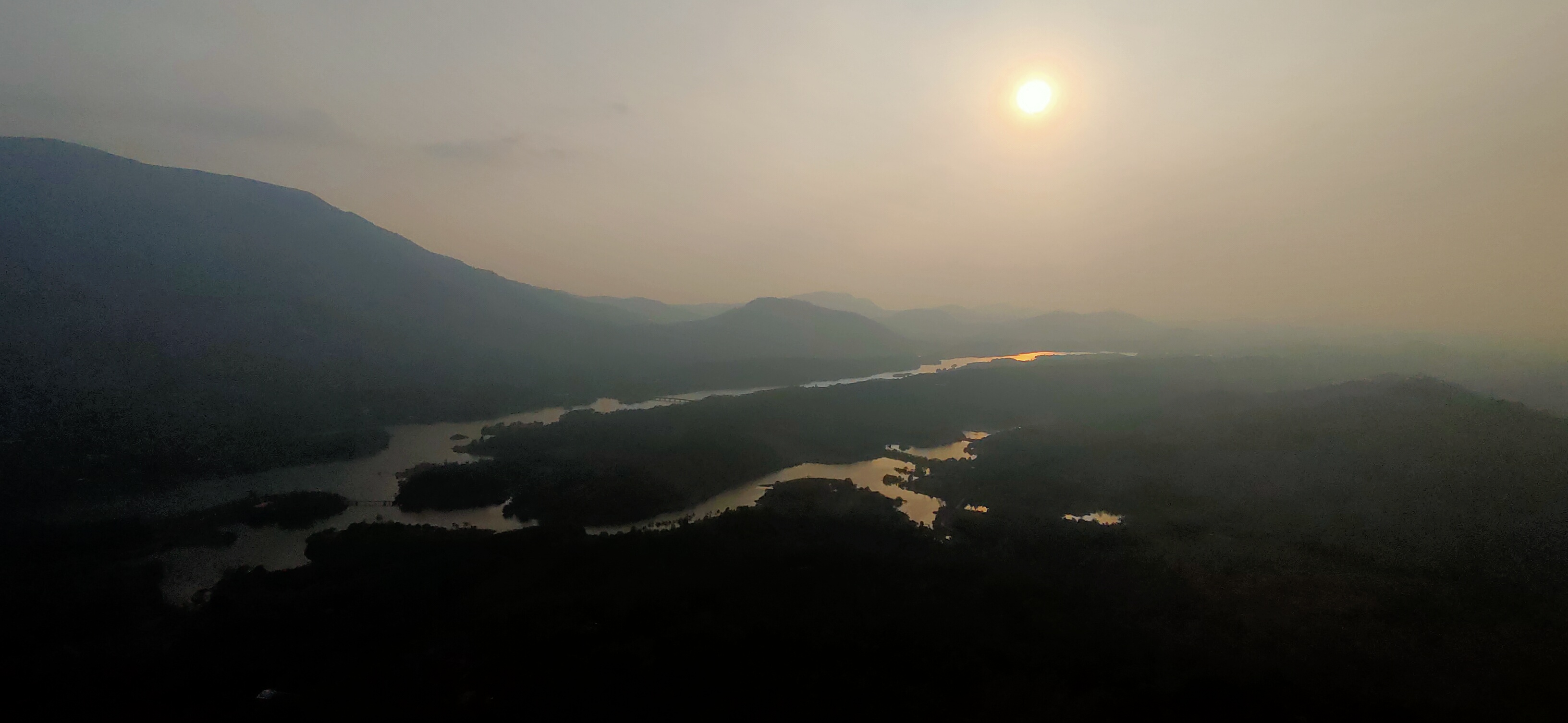
It takes about 2 hours from the base. The easier way takes around an hour from a road that leads half-way uphill from the base.
The calls of birds, crickets and occasional crowing of roosters, clucking of hens, mooing of cows and braying of goats resonate throughout the day.
High above in the canopies live the Malabar grey hornbills, Malabar gaint squirrels and the Indian gaint flying squirrels occasionally gliding from the treetops.
The main occupation of the village is farming, rubber being majorly cultivated. Other crops like tapioca, pepper, mangoes, pineapples, clove, turmeric, ginger, cocoa, etc. are also cultivated.
Obtaining rubber latex is a tedious job. It involves a lot of processes. Let’s explore…..
PROCESSING OF RUBBER LATEX
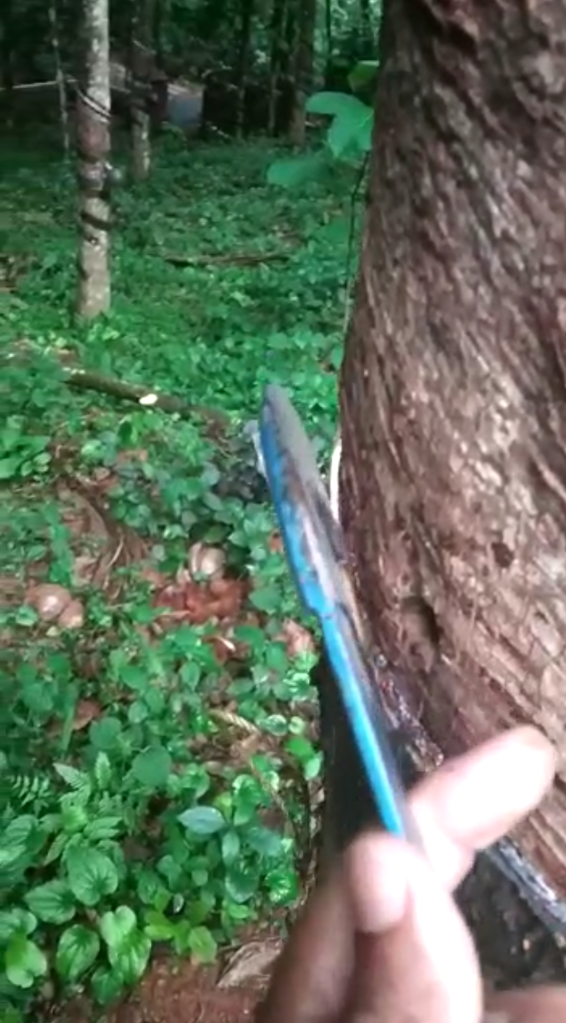
- Tapping
Rubber trees are tapped to obtain latex from ducts located on the outer or inner layers of the cambium (bark) of the tree. Tapping is done in slanting manner for making latex flow easily. The cuts should not be too many or too deep as it can affect the cambium, stunting the growth of the tree.
Each tree has to be tapped individually and accurately. Not an easy task!
A good tapper takes around an hour to tap 100 trees which gives about 20 litres of latex.
Tapping is an early bird task as maximum latex is obtained when trees are tapped early in the morning ( due to high internal pressure of the tree at that the facilitating maximum flow of latex).
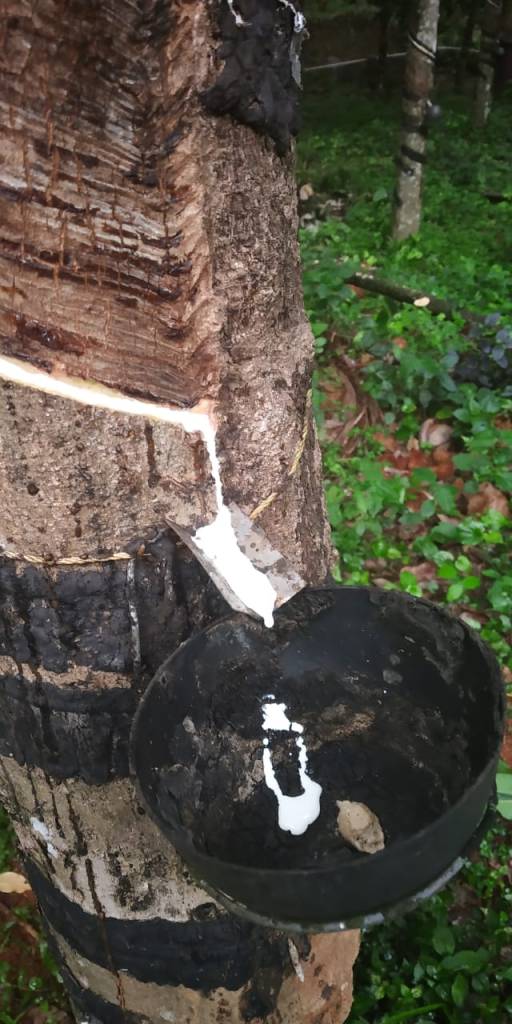
- Collecting
Small containers, supported by stretchable wires are placed under the cuts to collect the dripping latex, which takes about 4-5 hours after which latex tubes in get blocked due to natural coagulation of latex. Usually coconut shells cut in half are used to collect it, as coconuts are aplenty in Kerala.
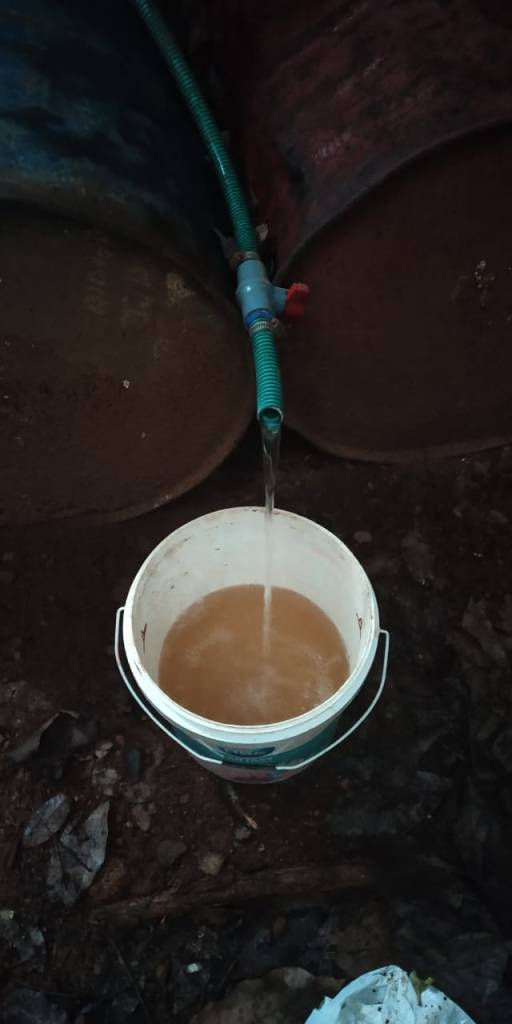
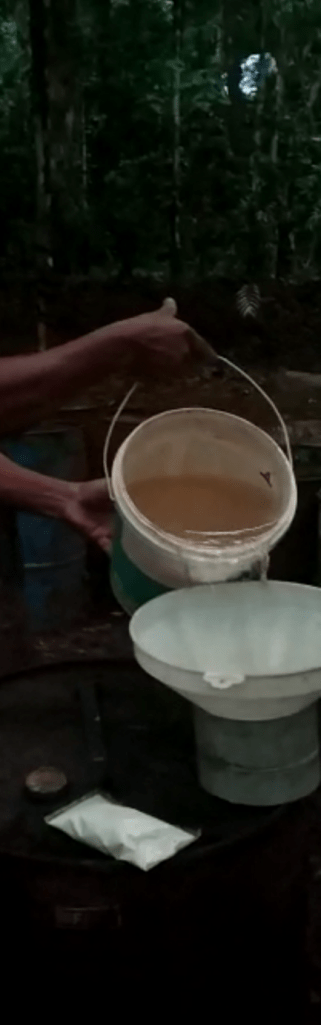
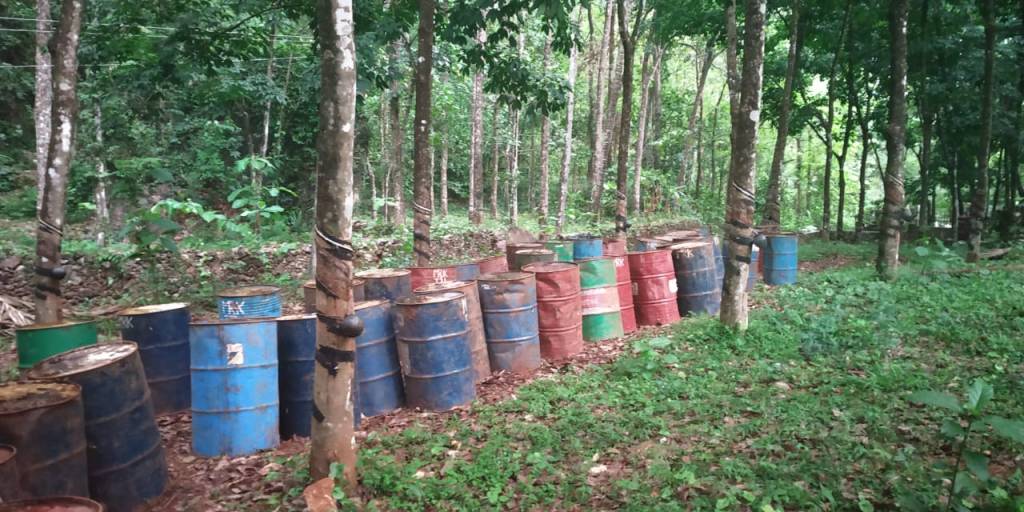
The latex filled in the containers are collected into barrels. This is known as field latex.
- Addition of anti-coagulant and accelerators
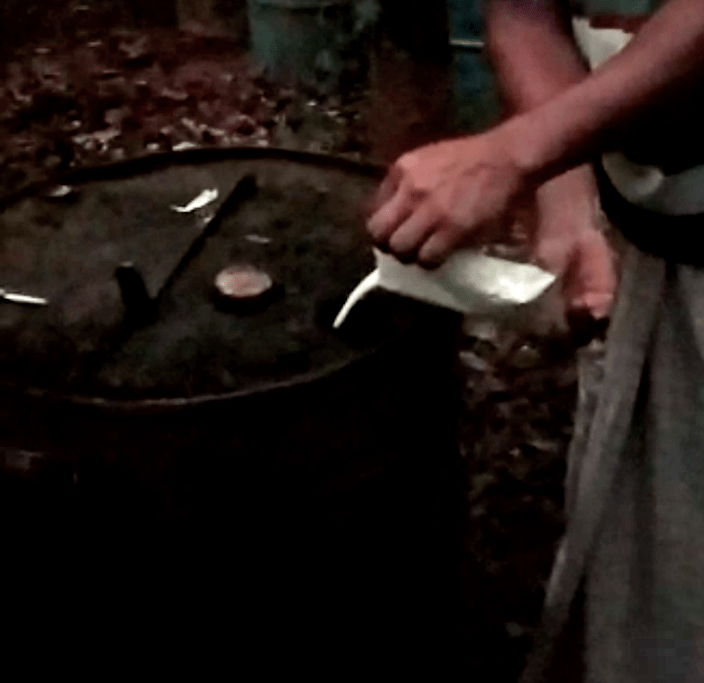
Liquid ammonia is added to the latex to prevent coagulation.
To reduce oxidative degradation of rubber during vulcanization and to quicken the vulcanization process, rubber accelerators (usually organosulfur compounds) are used.
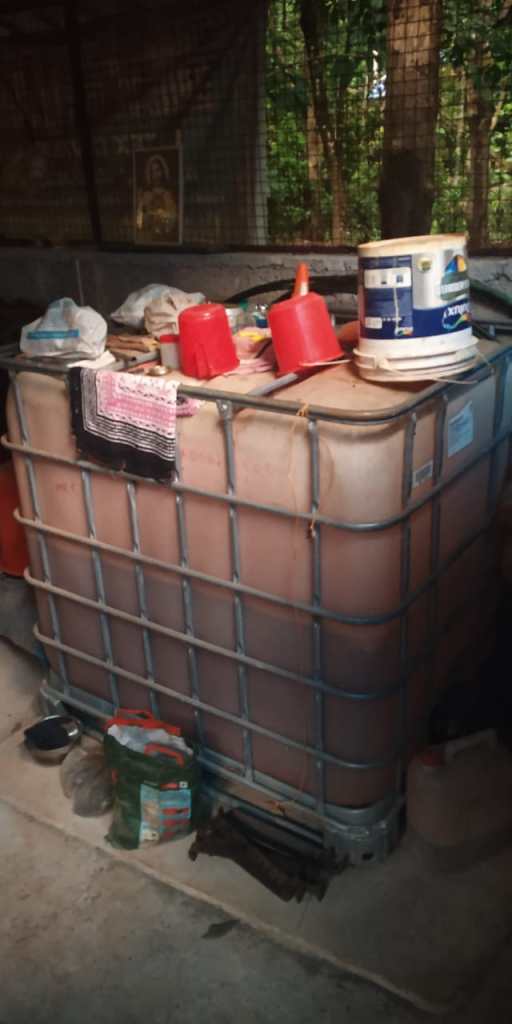
- Storing, selling and manufacture
The latex is preserved in barrels and sold to the consumers (company/factory).
It undergoes coagulation and vulcanization(to improve its quality and durability) in the factories to produce rubber.
And that’s how the rubber for tyres, rubberbands, balloons, balls and slippers is made!
It is very easy to erase but so difficult to make the eraser!
To know more about Kudayathoor, please visit these sites given below!!!
https://en.wikiversity.org/wiki/Student_Projects/The_Misty_Hills_of_Kudayathoor
Follow My Blog
Get new content delivered directly to your inbox.
 Learning through travel....